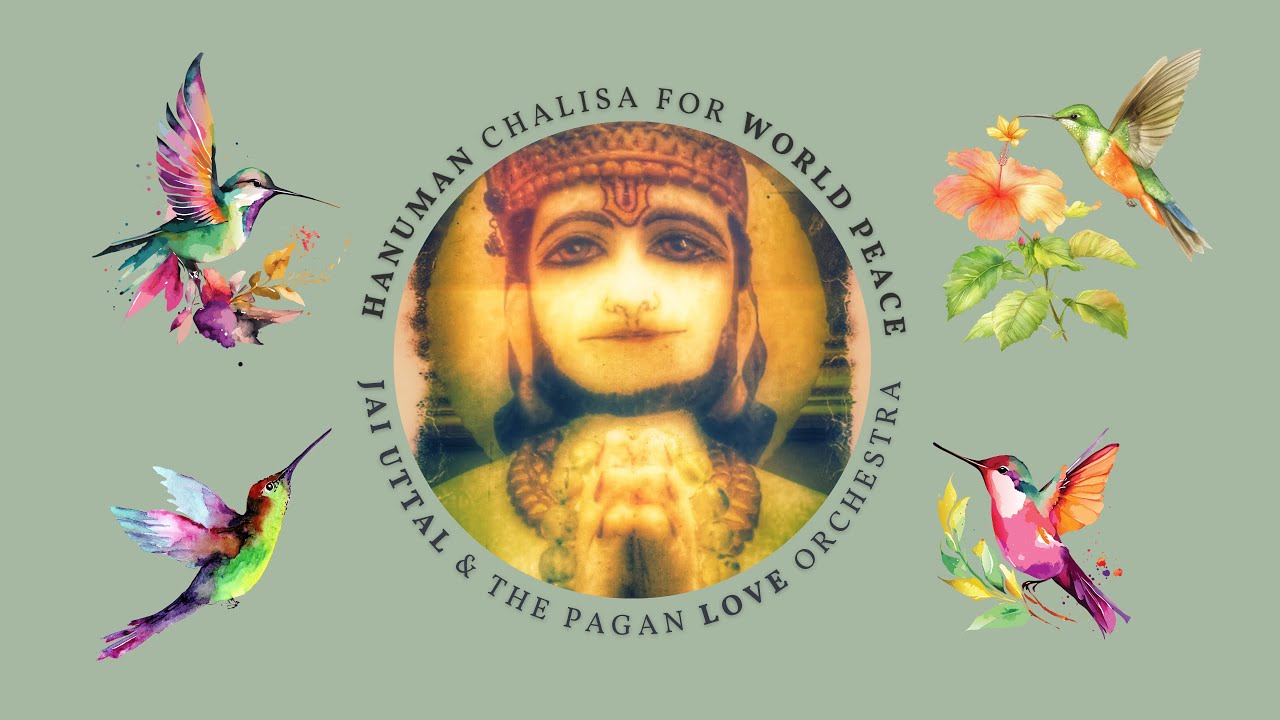
Hanuman Chaleesa is a 40-verse Sanskrit hymn dedicated to Hanuman, the monkey deity from Hindu mythology symbolizing unwavering devotion, courage, and spiritual strength. Chanting this sacred text is a core devotional practice in bhakti yoga traditions, believed to cultivate mental clarity, emotional resilience, and direct communion with the divine through sound and intention. The practice bridges mythology, mantra, and personal transformation through rhythm, repetition, and surrender to a higher power.
What is the Hanuman Chaleesa?
The Hanuman Chaleesa (also spelled Hanuman Chalisa) is a 40-verse devotional hymn composed in Hindi by the poet-saint Tulsidas in the 16th century. The word "chaleesa" derives from the Hindi numeral "chalis," meaning forty—thus the text contains exactly forty verses, each offering prayers and praise to Hanuman. This is not a philosophical treatise but a direct appeal to the divine through the form and personality of Hanuman, a central figure in the Hindu epic Ramayana.
Hanuman represents unconditional devotion, fearlessness, and service to the divine. In the Ramayana, he serves Lord Rama with absolute loyalty, performing extraordinary feats of strength and courage in service of a higher purpose. The Chaleesa captures this essence, inviting practitioners into a relationship with divine power that transcends ordinary limitation.
Why does Hanuman represent spiritual strength?
In Hindu mythology, Hanuman embodies qualities that spiritual practitioners seek to cultivate: unwavering focus, physical courage combined with emotional humility, and the ability to serve without ego. He is depicted as immensely powerful—capable of flying across oceans and moving mountains—yet entirely devoted to Rama, never acting from personal ambition. This paradox is central to Hindu spiritual teaching: true power emerges not from domination but from surrender.
Hanuman's tail represents the vital energy (prana) that can be directed upward through the spine toward enlightenment, making him a symbol of kundalini yoga and energy cultivation. His strength is inseparable from his devotion, teaching that physical and mental prowess without spiritual alignment remains incomplete. For practitioners, invoking Hanuman through chant is a way of aligning personal will with divine will.
How does chanting the Hanuman Chaleesa work as spiritual practice?
Chanting sacred texts is not merely intellectual study but a multi-sensory practice engaging voice, breath, mind, and emotion. When singing or reciting the Hanuman Chaleesa, the practitioner:
- Uses mantra power: Sanskrit syllables carry vibrational frequencies believed to attune consciousness to specific qualities—in this case, Hanuman's courage, clarity, and devotion. The rhythmic patterns create neural resonance, calming mental chatter.
- Engages breath and prana: Chanting synchronizes breath with sound, circulating vital energy (prana) through the body in prescribed ways. This is not separate from meditation but a form of moving meditation.
- Focuses intention: By repeating the same words and melodies, the practitioner's scattered mental attention gradually converges, creating one-pointed focus (dharana). The mind, naturally drawn toward objects of devotion, becomes a tool for spiritual deepening rather than distraction.
- Creates emotional resonance: The verses are not coldly reverent but warmly affectionate—praising Hanuman's virtues, requesting blessings, expressing gratitude. This emotional opening can dissolve barriers between ego and the greater self.
Unlike meditation, which requires sitting in silence, chanting allows practitioners to engage the body, voice, and feeling-nature. For many, this makes spiritual practice more accessible and sustainable over time. The melody becomes a vehicle; the words become the destination.
What are the core themes in the text?
Though all 40 verses are not typically analyzed individually in brief form, the Hanuman Chaleesa consistently returns to several themes:
Divine protection and courage: Many verses invoke Hanuman's ability to dispel obstacles, fear, and enemies—understood not as external foes but as inner limitations. Chanting is believed to awaken the practitioner's own inner power and remove energetic blocks.
Unconditional service: Verses celebrate Hanuman's devotion to Rama, highlighting that true strength lies in placing oneself at the feet of the divine. This reverses the ego's usual tendency toward self-preservation and control.
Intellectual clarity and discrimination: Hanuman is invoked for wisdom and the ability to discriminate between truth and illusion, between ego-driven desires and genuine spiritual longing. In a world of constant mental noise, this appeal to clarity addresses a real need.
Blessing and grace: The Chaleesa closes with verses requesting Hanuman's blessings for freedom from suffering, spiritual progress, and ultimate liberation. The assumption is that the divine can be approached, petitioned, and will respond to sincere devotion.
How is the Hanuman Chaleesa used in daily practice?
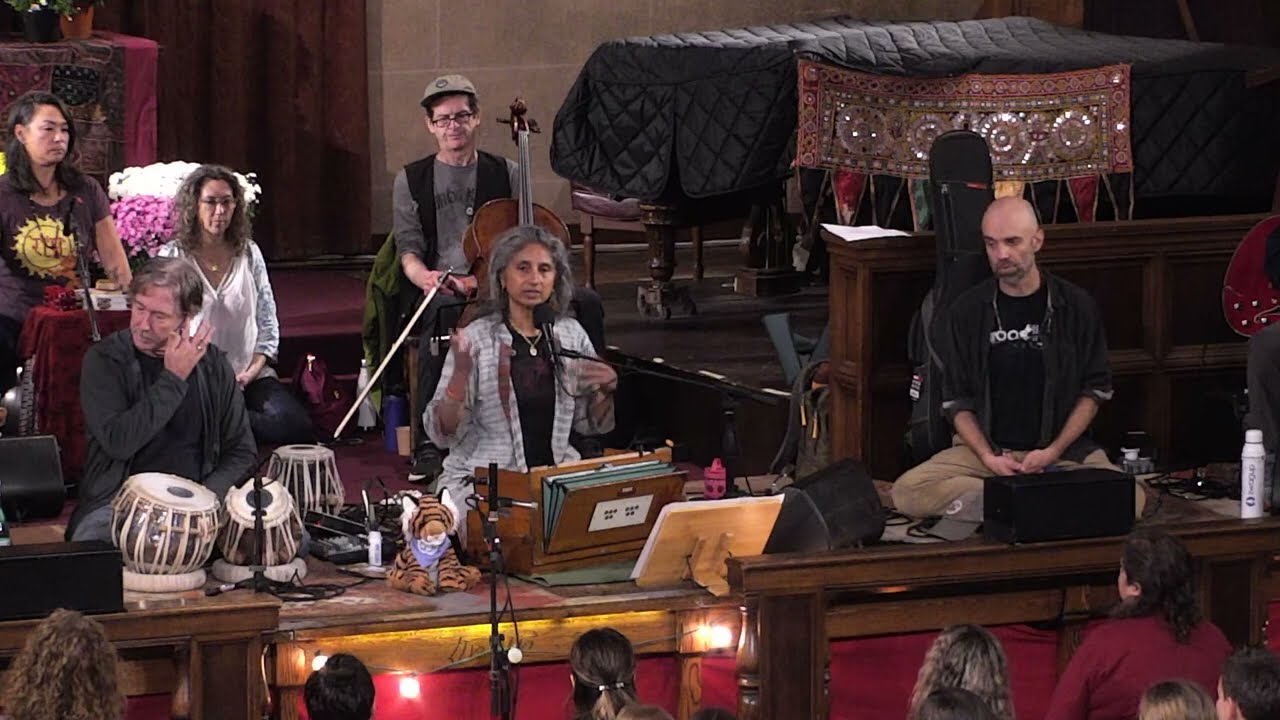
Practitioners typically chant the Hanuman Chaleesa in several contexts. Some recite it daily as a morning or evening practice, usually 40 days in a row as a focused sadhana (spiritual discipline). Others chant it in times of difficulty, stress, or when facing obstacles—calling upon Hanuman's strength for support. Group chanting in temples, kirtan circles, or spiritual communities amplifies the effect; the shared sound and intention create a field of collective devotion.
The practice is not doctrine-dependent. Practitioners of various spiritual traditions and levels of belief report that consistent chanting produces measurable shifts in mood, clarity, and resilience. Some experience this as vibration and psychology working together; others attribute it to direct divine response. The pragmatism of the practice suggests that the mechanism matters less than the sustained application.
What is the relationship between Hanuman Chaleesa and the broader bhakti tradition?
Bhakti yoga—the path of devotion—places love, surrender, and relationship with the divine at the center of practice. Unlike jnana yoga (knowledge) or karma yoga (action), bhakti acknowledges the human heart as the primary instrument of realization. The Hanuman Chaleesa is one of the most widely practiced bhakti texts in Hindu tradition, available to anyone regardless of caste, education, or prior spiritual training.
This accessibility is deliberate. Tulsidas wrote in vernacular Hindi rather than Sanskrit, making the text available to ordinary people, not just scholars. The melody is simple enough for children to learn and complex enough to sustain an adult's attention over years of practice. The devotional relationship to Hanuman can deepen indefinitely, always revealing new layers of meaning and possibility.
Where to go from here
If you are drawn to the Hanuman Chaleesa, consider beginning with listening recordings of the chant in its traditional melody to acclimate your ear to the rhythm and emotional tone. Then, learn the basic structure by chanting a few verses daily, gradually expanding your practice. Many spiritual communities and online resources provide transliterations, translations, and guidance. The practice is not about perfection of pronunciation but sincere engagement with the intention behind each verse.
Beyond chanting, you might explore the Ramayana itself to understand Hanuman's character and the mythological context. You could investigate other devotional practices—kirtan, japa (mantra repetition), or seva (selfless service)—that complement chanting. And you might ask yourself what qualities in Hanuman you wish to cultivate in yourself: courage without aggression, strength in service, clarity in chaos, or unwavering focus on what matters most.