What is Folk?
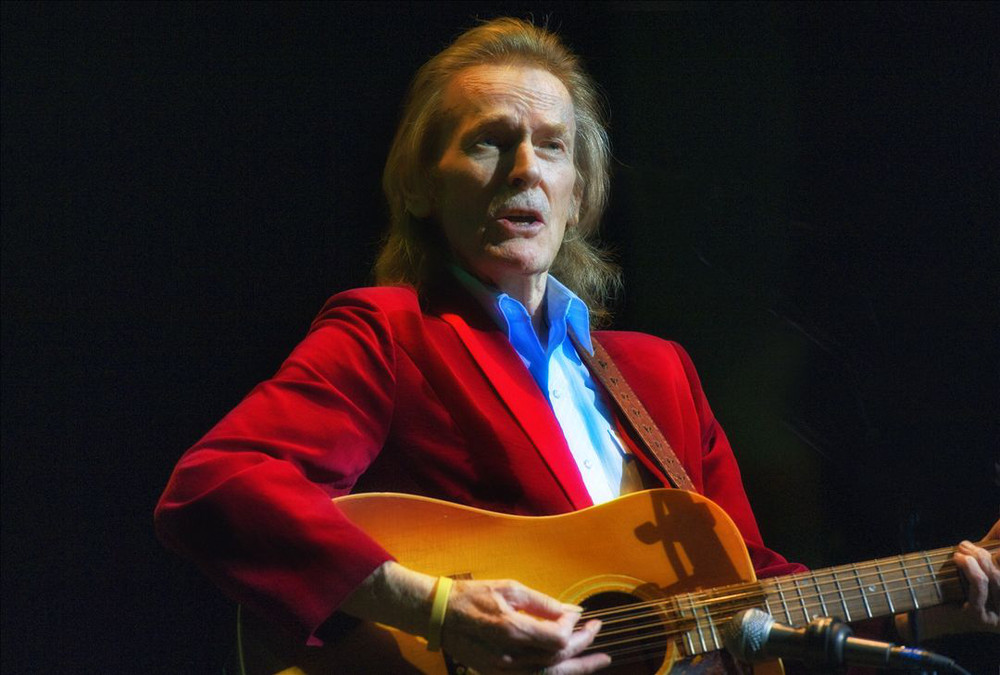
Folk music is a broad vernacular tradition that emerges from the lived experience of ordinary people—workers, farmers, wanderers, and communities at the margins. Unlike courtly or ecclesiastical music composed by known authors, folk arises anonymously from collective cultural memory, passed orally from generation to generation and adapted to local contexts. It encompasses ballads, work songs, protest anthems, lullabies, and dance tunes, often employing simple instrumentation (acoustic guitar, banjo, fiddle, harmonica) and narrative lyrics that tell stories of love, loss, labor, injustice, and longing. Folk is fundamentally participatory: songs are sung in kitchens, at labor strikes, around campfires, and in intimate gatherings, not primarily for audiences but as communal expression.
Origins & Lineage
The term “folk music” emerged in 19th-century Europe as scholars like Johann Gottfried Herder and the Brothers Grimm began documenting peasant songs and oral traditions. The English Folk Revival (1890s–1920s) saw collectors such as Cecil Sharp and Ralph Vaughan Williams transcribe traditional ballads from rural singers. In the United States, the Appalachian ballad tradition—rooted in Anglo-Celtic immigrants—was documented by folklorists including John Lomax, who recorded Lead Belly and Woody Guthrie in the 1930s–1940s. Guthrie’s “This Land Is Your Land” (1940) became an emblem of American folk, linking the genre to social justice. The 1960s Folk Revival, led by Pete Seeger, Joan Baez, Bob Dylan, and Joni Mitchell, brought folk into mainstream consciousness, intertwining it with civil rights, anti-war movements, and countercultural spirituality. International folk traditions include Irish sean-nós, Appalachian old-time, Mexican corridos, and Eastern European klezmer, each preserving distinct regional histories.
How It’s Practiced
Folk music is characterized by acoustic instrumentation, modal melodies, and narrative or poetic lyrics. A folk singer often performs solo or in small ensembles, using guitar, banjo, dulcimer, fiddle, mandolin, or harmonica. Songs are frequently learned by ear rather than notation, allowing each performer to adapt melody, lyrics, or tempo. The tradition emphasizes storytelling: ballads recount historical events, mythic figures, or personal testimony. Folk sessions or song circles invite participants to share tunes in rotation, fostering collective ownership of the repertoire. Contemporary folk artists may blend traditional forms with indie, Americana, or world-fusion elements, expanding the genre while honoring its grassroots ethos. Lyrically, folk music often addresses themes of land, migration, inequality, and resilience, positioning the singer as witness and chronicler.
Folk Today
Modern seekers encounter folk music through live performances at coffeehouses, folk festivals (Newport Folk Festival, Cambridge Folk Festival), songwriter circles, and house concerts. Platforms like Spotify and Bandcamp host curated folk playlists spanning traditional ballads, contemporary singer-songwriters, and global folk fusion. Artists such as Gillian Welch, Iron & Wine, The Decemberists, and Sufjan Stevens draw on folk aesthetics while exploring introspective and spiritual themes. Folk remains integral to activist movements: protest songs are sung at marches, vigils, and climate actions, continuing the tradition of music as resistance. In conscious communities, folk circles often accompany rituals, storytelling gatherings, or seasonal celebrations, where songs serve as both cultural anchor and contemplative practice.
Common Misconceptions
Folk is not synonymous with “acoustic” or “indie.” While many folk artists use acoustic instruments, the defining feature is cultural transmission and rootedness in vernacular tradition, not merely instrumentation. Folk is also not a monolith: it encompasses vastly different regional styles, from Delta blues to Celtic ballads to Latin American nueva canción. Some assume folk music is inherently nostalgic or apolitical; in fact, folk has historically been a vehicle for radical social commentary (e.g., Woody Guthrie, Victor Jara, Phil Ochs). Finally, folk is not exclusively rural or pre-modern—urban folk traditions (labor songs, street ballads) and contemporary folk songwriting continue to evolve the genre in response to present-day realities.
How to Begin
Begin by listening to foundational recordings: Woody Guthrie’s Dust Bowl Ballads, Joan Baez’s self-titled debut, or The Anthology of American Folk Music (compiled by Harry Smith). Attend a local folk club, open mic, or song circle to experience the participatory ethos. Learn a traditional ballad by ear—“The Water Is Wide,” “Black Is the Color,” or “WayfaringInger”—and explore how melody and lyrics shift in different versions. Pick up a simple instrument (guitar, ukulele, or harmonica) and practice basic chord progressions common in folk music (I–IV–V, I–vi–IV–V). For deeper study, consult books like The Folk Songs of North America by Alan Lomax or The Rose & The Briar: Death, Love and Liberty in the American Ballad edited by Greil Marcus and Sean Wilentz. Explore global folk traditions through artists like Fairport Convention (British folk-rock), Mercedes Sosa (Argentine nueva canción), or Ali Farka Touré (Malian folk-blues) to appreciate folk’s universal yet regionally distinct expressions.