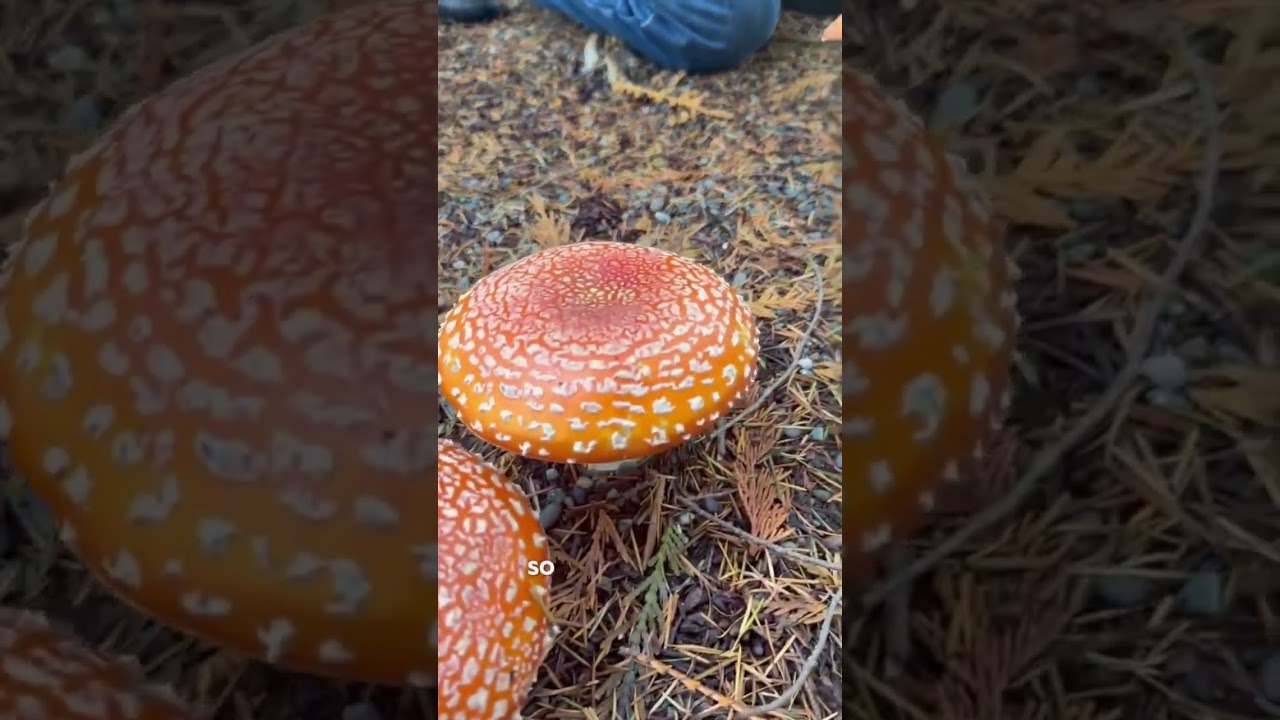
Puffballs are fungi that release billions of spores through mechanical impact and wind dispersal. Indigenous peoples across North America discovered that puffball spores possessed powerful antibacterial properties and used them for wound healing—a practice modern science has now confirmed. Research has identified specific compounds like calvacin with strong antimicrobial activity against infections like staph bacteria, demonstrating how ancestral ecological knowledge predates and validates contemporary pharmaceutical research.
What are puffballs and how do they spread spores?
Puffballs belong to the fungal genus Lycoperdon and related genera, and are remarkable for their distinctive spore-dispersal mechanism. Unlike many mushroom species that rely on wind to carry spores from gills or pores, puffballs have evolved a pressurized, impact-based dispersal system. When a raindrop strikes a mature puffball, or when a physical force compresses the fruiting body, the internal pressure ruptures, releasing enormous clouds of microscopic spores into the air. A single mature puffball can release billions of spores in a single puff—hence the common name. This evolutionary adaptation makes puffballs efficient colonizers of new habitats, as their spores are literally catapulted into the atmosphere, traveling far on air currents.
The spore-release mechanism is so effective that it doesn't require active biological processes. Rain, wind, animal disturbance, or even human contact will trigger dispersal. This passive yet highly successful strategy has allowed puffball species to persist across diverse ecosystems for millions of years.
How did indigenous peoples discover the medicinal properties of puffball spores?
Long before laboratory analysis or pharmaceutical development, indigenous peoples across North America—particularly First Nations communities on the Plains—empirically discovered that puffball spores possessed strong antimicrobial properties. When injuries, cuts, or wounds threatened infection, healers and families would harvest mature puffballs and pack the spores directly into wounds. The spores acted as a natural antimicrobial agent, preventing bacterial infection and promoting healing. This practice was born from necessity: in environments without access to modern antibiotics, every tool that could prevent infection meant the difference between survival and death.
The Blackfoot Native Americans held puffballs in such high cultural and medicinal regard that they called them "fallen stars" and often portrayed them symbolically at the base of their teepees—a visual testament to the reverence with which they viewed these fungi.
What antimicrobial compounds have scientists identified in puffballs?
Modern mycological research has validated and extended indigenous knowledge by isolating specific bioactive compounds in puffball species. The most notable discovery is calvacin, a novel antibiotic identified from the puffball species Calvatia. Laboratory analysis confirmed what indigenous healers already knew: calvacin exhibits potent antimicrobial activity. However, research revealed an important caveat: calvacin is effective when applied topically to wounds but toxic if ingested. This distinction illustrates why traditional application methods—packing spores directly into wounds—worked: they exploited the compound's local antimicrobial action without systemic toxicity.
Other puffball species, including those in the genera Calvatia and Bovistella, have yielded extracts showing inhibitory activity against Staphylococcus bacteria in laboratory cultures (in vitro). These findings demonstrate that multiple puffball species contain bioactive compounds with clinical potential, suggesting that indigenous peoples may have experimented with different species, refining their practices over generations to optimize efficacy and safety.
Why is the discovery of puffball antibiotics significant?
The validation of puffball antimicrobial properties by modern science represents a broader pattern: ancestral ecological knowledge often encodes practical discoveries that predate and inform contemporary pharmaceutical science. Indigenous peoples did not have microscopes or bacterial cultures, yet through observation, experimentation, and the pressure of survival, they identified and deployed effective antimicrobial agents. When modern researchers later apply scientific methods to these traditional practices, they are not discovering something entirely new—they are confirming, explaining, and sometimes improving upon solutions that were already proven effective through centuries or millennia of empirical use.
This pattern has profound implications for how we approach drug discovery and ethnobotany. Rather than dismissing indigenous knowledge as folklore or superstition, rigorous science can systematically investigate traditional plant and fungal medicines, potentially accelerating the identification of novel therapeutics. In an era of rising antibiotic resistance, the recognition that diverse fungal species—some used by indigenous peoples for millennia—contain antimicrobial compounds underscores the value of biodiversity conservation and cross-cultural knowledge exchange.
What does the childhood experience of playing with puffballs reveal about spore dispersal?
The simple act of children stomping on or throwing puffballs—sending clouds of brown spores into the air—is not mere play; it demonstrates the mechanics of spore dispersal in miniature. Every puff releases billions of spores, making children unwitting participants in the fungal life cycle. Each impact, whether from a raindrop, a foot, or a thrown puffball, illustrates the evolutionary efficiency of the puffball's design: minimal energy input from the environment triggers maximal spore release. The spores themselves are so light and numerous that they drift on air currents, settling on soil, plant matter, and other substrates where new fungal colonies may establish. In this way, human disturbance of puffballs—even playful disturbance—actively contributes to their dispersal across landscapes, a relationship that has likely persisted for as long as humans have inhabited ecosystems with puffballs.
Where to go from here
The puffball offers a compelling case study in mycology, indigenous knowledge systems, and the philosophy of science. For those interested in mushroom identification and ecology, learning to recognize puffball species in your local region—and observing how environmental factors like rain and temperature affect their fruiting and spore release—builds intuitive understanding of fungal reproduction. For researchers and ethnobotanists, the documented antimicrobial compounds in puffballs suggest that other fungal species with traditional medicinal uses warrant systematic investigation. For broader society, the puffball example reinforces the principle that ecological literacy and respect for indigenous knowledge can accelerate scientific discovery while honoring the wisdom of peoples who first decoded nature's pharmacy through careful observation and practice.