EveryEvent Seattle

Sfoglia tutti i Events

Find every event in Seattle

events

Concerts & Live Music
Festivals
Sports & Recreation
Food & Drink
Arts & Culture
Community
Family & Kids
Nightlife
Comedy
Theater
Destinazioni popolari
BaliSedonaLos AngelesCosta RicaNew YorkSan FranciscoAustinMiamiJoshua TreeTulum
Vedi tutte le categorieVedi tutte le destinazioni

Esplora tutte le funzionalità

Strumenti potenti per far crescere i tuoi eventi

Funzionalità della piattaforma

Prezzi dinamici intelligenti
Categorie di biglietti
Posti assegnati
Recupero carrelli abbandonati
Recupero visitatori
Donazioni e prezzi variabili
Sistema affiliati
Scanner biglietti
Codici sconto
Domande personalizzate
Condivisione biglietti
Upsell e componenti aggiuntivi
Analisi e report
Sequenze email
Lista d'attesa / Notifica / Promemoria
Esplora
Discovery HubArtists & PerformersVenuesKnowledge Base
Vedi tutte le funzionalitàChi siamo
PrezziBlog
Language
Saved events
Sfoglia tutti gli eventi

events

Concerts & Live MusicFestivalsSports & RecreationFood & DrinkArts & CultureCommunityFamily & KidsNightlife

Destinazioni popolari

BaliSedonaLos AngelesCosta RicaNew YorkSan Francisco

Esplora

Discovery HubArtists & PerformersVenuesKnowledge Base

Funzionalità della piattaforma

Prezzi dinamici intelligentiCategorie di bigliettiPosti assegnatiRecupero carrelli abbandonatiRecupero visitatoriDonazioni e prezzi variabiliSistema affiliatiScanner bigliettiCodici scontoDomande personalizzateCondivisione bigliettiUpsell e componenti aggiuntiviAnalisi e reportSequenze emailLista d'attesa / Notifica / Promemoria
Vedi tutte le funzionalitàChi siamo
PrezziBlog
AccediRegistratiOrganizzatori di eventi
  • Browse All Events
  • Concerts & Live Music
  • Festivals
  • Sports & Recreation
  • Food & Drink
  • Arts & Culture
  • Community
  • Family & Kids
  • Nightlife
  • Tutte le categorie →
  • Portland
  • Vancouver, BC
  • San Juan Islands
  • Olympic Peninsula
  • Leavenworth
  • All Destinations →
  • For Promoters
  • For Artists
  • For Venues
  • For Festivals
  • For Event Spaces
  • For Nonprofits
  • For Bloggers
  • For Speakers
  • Brand Ambassador
  • Case Studies
  • Rete di 350K+ acquirenti
  • Recupero carrelli abbandonati
  • Prezzi dinamici intelligenti
  • Categorie di biglietti
  • Eventi ricorrenti
  • Posti assegnati
  • Sistema affiliati
  • Lista d'attesa / Notifica
  • Scanner biglietti
  • Widget incorporabile
  • Distribuzione eventi
  • Centro messaggi
  • Integrazioni
  • Report
  • Tutte le funzionalità →
  • Chi siamo
  • L’ecosistema
  • Blog
  • Glossario
  • Ispirazione
  • Centro assistenza
  • Contatti
  • Documentazione API
  • Risorse del brand
  • Carriere
  • Stampa
  • Termini di servizio
  • Informativa sulla privacy

Events

  • Browse All Events
  • Concerts & Live Music
  • Festivals
  • Sports & Recreation
  • Food & Drink
  • Arts & Culture
  • Community
  • Family & Kids
  • Nightlife
  • Tutte le categorie →

Getaways

  • Portland
  • Vancouver, BC
  • San Juan Islands
  • Olympic Peninsula
  • Leavenworth
  • All Destinations →

For Organizers

  • For Promoters
  • For Artists
  • For Venues
  • For Festivals
  • For Event Spaces
  • For Nonprofits
  • For Bloggers
  • For Speakers
  • Brand Ambassador
  • Case Studies

Funzionalità

  • Rete di 350K+ acquirenti
  • Recupero carrelli abbandonati
  • Prezzi dinamici intelligenti
  • Categorie di biglietti
  • Eventi ricorrenti
  • Posti assegnati
  • Sistema affiliati
  • Lista d'attesa / Notifica
  • Scanner biglietti
  • Widget incorporabile
  • Distribuzione eventi
  • Centro messaggi
  • Integrazioni
  • Report
  • Tutte le funzionalità →

Azienda

  • Chi siamo
  • L’ecosistema
  • Blog
  • Glossario
  • Ispirazione
  • Centro assistenza
  • Contatti
  • Documentazione API
  • Risorse del brand
  • Carriere
  • Stampa
  • Termini di servizio
  • Informativa sulla privacy
EveryEvent
© 2026 EveryEvent Seattle. Tutti i diritti riservati.
Inspiration

Correct Way to DrinkWater: Avoid Brain Swelling

Sadhguru
Sadhguru
Mar 22, 2018
6 min di lettura

The way you drink water matters far more than most people realize. Sadhguru addresses a widespread misconception about hydration: consuming water too quickly or in incorrect quantities can lead to serious physiological consequences, including brain swelling (cerebral edema). This video unpacks the mechanism behind proper water intake and explains why the body's absorption capacity, breathing patterns, and deliberate pacing are essential to safe hydration.

Lettura · 8 sezioni

Why Does Water Drinking Method Matter?

Most people assume that as long as they drink water, the method is irrelevant. Sadhguru challenges this assumption by pointing out that the body has specific physiological limits for water absorption. Water is not simply poured into a container—it must be processed by the body's systems at a rate they can handle. When water is consumed too rapidly or in excessive quantities without regard for the body's capacity to absorb and process it, the water can accumulate in tissues, including the brain.

The consequences of improper water consumption are not theoretical. Brain swelling (cerebral edema) is a documented medical condition that can result from osmotic imbalances created by sudden water overload. This occurs when water molecules move into brain cells faster than electrolytes can regulate, causing the cells to swell. While extreme cases are rare, chronic improper hydration habits can create conditions conducive to this problem.

How Should You Drink Water According to Your Body's Capacity?

Sadhguru emphasizes that water intake must be calibrated to what your body can actually absorb. This is not a one-size-fits-all prescription. Variables include your body weight, metabolic rate, climate, activity level, and current health status. Rather than fixating on the popular "eight glasses a day" guideline, Sadhguru suggests paying attention to your body's actual signals and drinking in a way that allows your system to process the water without shock.

The key principle is deliberate, measured consumption. This means:

  • Drinking water slowly rather than gulping it down
  • Taking time between sips to allow the body to register and absorb
  • Being aware of how much you are consuming in a given period
  • Respecting your individual body's absorption capacity rather than following rigid external rules

When water is consumed this way, the body's digestive and circulatory systems have time to distribute it evenly throughout the body. The kidneys can process it at a sustainable rate, and osmotic balance is maintained without sudden fluid shifts into sensitive tissues like the brain.

What Is the Role of Breathing in Proper Water Consumption?

Sadhguru connects water intake to breathing patterns, a link that may seem counterintuitive but is physiologically sound. Breathing affects oxygen levels, carbon dioxide levels, and overall nervous system regulation. When you drink water quickly—often while holding your breath or breathing shallowly—you disrupt the body's natural rhythms and the systems that regulate fluid balance.

Conscious, steady breathing while drinking water helps maintain parasympathetic nervous system activation (the "rest and digest" state), which supports proper digestion and absorption. Conversely, rushed drinking paired with shallow breathing activates stress responses that can interfere with the body's ability to process water efficiently.

Why Is Speed of Water Consumption Critical?

The human body has a finite rate at which it can absorb water. This rate is determined by kidney function, intestinal permeability, and cellular osmotic capacity. When you exceed this rate—say, by drinking a liter of water in five minutes—your body cannot process it all. The excess must go somewhere, and it often accumulates in tissues, including the brain's cerebrospinal fluid and cellular spaces.

This is especially dangerous for people with compromised kidney function, athletes engaging in intense exercise without proper electrolyte replacement, or anyone consuming water as part of a "detox" or weight-loss trend that encourages excessive intake. Even in healthy individuals, chronic rapid water consumption can create conditions of mild chronic brain swelling that goes unnoticed but may affect cognition and well-being.

How Does This Relate to Overall Health and Awareness?

Sadhguru's broader point is about embodied awareness. Most daily activities—eating, drinking, breathing—are performed on autopilot without conscious attention to how the body actually processes them. Water consumption is a perfect example: it is so simple and automatic that people rarely consider *how* they are doing it.

By bringing awareness to the act of drinking water, you develop a more attuned relationship with your body's needs and limits. This same principle extends to food, movement, and other foundational practices. The goal is not to create anxiety around water drinking but to replace unconscious habit with conscious choice.

The way you consume water reveals something about your overall relationship to your body and its processes. Deliberate, aware hydration is a microcosm of living with intention.

What Happens When You Drink Water Correctly?

When water is consumed at a pace and quantity your body can handle, several positive effects occur:

  • Proper cellular hydration without osmotic stress
  • Efficient kidney function and toxin elimination
  • Stable fluid balance in the brain and spinal cord
  • Better nutrient absorption and distribution
  • Reduced strain on the cardiovascular system
  • More stable energy and mental clarity throughout the day

Over time, this conscious approach to hydration becomes a habit, and the body develops better regulation of fluid intake without constant deliberation.

Are There Situations Where Special Attention to Water Intake Is Needed?

Certain populations need to be particularly mindful of water consumption patterns:

  • Athletes and people in hot climates: Higher water loss requires more intake, but it should still be gradual and paired with electrolyte replacement (sodium, potassium) to maintain osmotic balance.
  • People with kidney disease: Water intake must be medically supervised because the kidneys cannot regulate fluid as effectively.
  • Elderly individuals: Thirst sensation decreases with age, but the body's water-processing capacity also changes; deliberate, measured drinking is important.
  • People taking certain medications: Some drugs affect fluid retention and electrolyte balance, requiring adjusted water intake.

For these groups, working with a healthcare provider to establish safe hydration patterns is essential.

Where to Go From Here

Start by observing your own water-drinking habits without judgment. Do you gulp water quickly? Do you drink large amounts at once? Do you notice how your body feels during and after drinking? Over the next week, experiment with slower, more deliberate water consumption. Take small sips. Breathe steadily. Notice how your energy, mental clarity, and physical comfort change.

If you experience headaches, brain fog, or unusual thirst, consider whether your hydration pattern might be contributing. Remember that proper water intake is not about quantity alone—it is about alignment between consumption rate and your body's actual processing capacity. This simple shift can have profound effects on how you feel and function throughout the day.


Sadhguru
AutoreSadhguru

Indian yogi, mystic, and founder of the Isha Foundation. Through his programs (Inner Engineering, Bhava Spandana, Samyama) and books, he has introduced millions worldwide to a cont…

Vedi il profiloSito web
Esplora i temi
Water-hydrationHealth-bodyBrain-swellingNervous-systemBodily-awareness

Hai domande?

Domande frequenti

Brain swelling (cerebral edema) occurs when water is consumed faster than the body can absorb it, creating an osmotic imbalance. Water molecules move into brain cells faster than electrolytes can regulate, causing the cells to swell. This happens because the body has a finite rate of water absorption that varies by individual health status and kidney function.
Rather than following a rigid guideline, Sadhguru suggests calibrating water intake to your body's actual capacity, which depends on body weight, metabolism, climate, activity level, and health status. The key is drinking slowly and deliberately, allowing your body time to absorb water rather than consuming large amounts quickly.
Drinking water too quickly prevents your body from properly absorbing it at a sustainable rate. It can lead to accumulation of water in tissues, including the brain, and disrupts the body's osmotic balance. Slow, measured consumption allows your body's systems to process water efficiently.
Yes, consuming excessive water too rapidly can cause water intoxication or hyponatremia (low sodium levels), which in severe cases can lead to brain swelling. Even chronic excessive intake can create conditions of mild brain swelling that affect cognition without obvious symptoms.
Yes, breathing patterns influence the nervous system and the body's ability to regulate fluid balance. Steady, conscious breathing during water consumption supports parasympathetic (rest-and-digest) activation, which aids proper absorption, while shallow breathing during rushed drinking can interfere with the process.
Athletes lose water through sweat at higher rates, requiring more intake, but they should drink gradually and include electrolytes (sodium, potassium) to maintain osmotic balance. Rapid water consumption without electrolytes can be particularly dangerous during or after intense exercise.
Sadhguru frames proper water consumption as an example of bringing awareness to everyday activities that are usually automatic. This embodied awareness—noticing how your body processes water, respecting its limits—is foundational to the yoga principle of living with intention and attunement to your physical system.
Yes, both insufficient and excessive water intake can cause headaches. Drinking too much water too quickly can create osmotic stress and fluid shifts in the brain, while drinking too little causes dehydration. Proper, measured hydration helps maintain the stable fluid environment the brain needs to function optimally.

Continua a leggere

More from Sadhguru

Vedi Tutto
When Grief Becomes a Mirror: What the Nepal Floods Teach
Featured

When Grief Becomes a Mirror: What the Nepal Floods Teach

A flash flood on the Nepal-Tibet border devastated communities and claimed lives. This event became a moment to examine how we respond to tr…

1 min read
Mount Kailash's Hidden Dimensions: Mystical Phenomena Beyond Logic
Featured

Mount Kailash's Hidden Dimensions: Mystical Phenomena Beyond Logic

A 21-year pilgrimage reveals Mount Kailash and Lake Manasarovar as repositories of consciousness and extraordinary life forms defying conven…

1 min read
Stop Self-Judgment: Building Inner Compassion
Featured

Stop Self-Judgment: Building Inner Compassion

Discover why your inner critic feels relentless and learn grounded practices to replace self-judgment with genuine compassion and acceptance…

1 min read
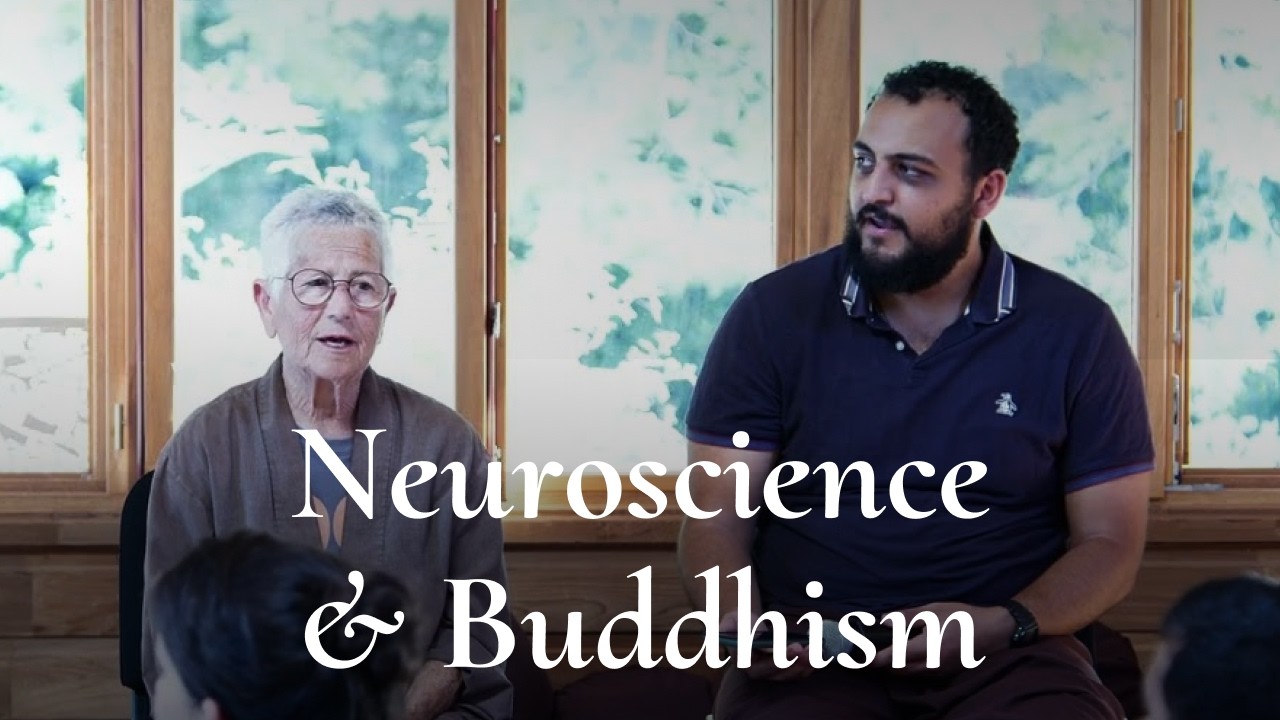
Neuroscience & Buddhist Psychology: Regulating Your Nervous System
Featured

Neuroscience & Buddhist Psychology: Regulating Your Nervous System

Learn how Buddhist practice and neuroscience combine to help you read your nervous system signals and maintain emotional balance during unce…

1 min read

Continua a esplorare

Continua il tuo viaggio

Altra saggezza e altri incontri da tutta la directory BrightStar.

Altri articoli

Sfoglia l’intera raccolta di insegnamenti, interviste e guide.

Torna a tutti gli articoli →

Insegnanti e artisti

Esplora i lignaggi, i musicisti e le guide del mondo consapevole.

Esplora gli artisti →

Trova un evento

Kirtan, ritiri, sound bath, breathwork, festival: in arrivo presto.

Sfoglia gli eventi →