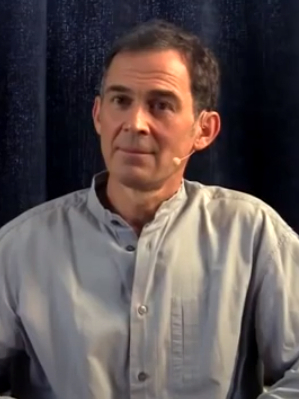
Finding Home Within: The Journey of Self-Knowledge
Rupert Spira's assertion that "to know yourself is to know home" invites us to explore the profound connection between self-awareness and our sense of belonging. In a world often characterized by external distractions and the relentless pursuit of validation, this quote serves as a gentle reminder that true fulfillment lies not in the external but within our own essence. Understanding ourselves is akin to discovering a sanctuary, a place where we can rest and feel at peace amidst the chaos of life.
This exploration of self-knowledge as a pathway to home resonates deeply in our contemporary context, where many feel adrift, searching for meaning and connection. The notion of "home" transcends mere physical space; it embodies a state of being, a return to our true nature. By delving into the depths of our own consciousness, we uncover the layers of identity that obscure our innate wholeness, ultimately leading us back to a place of comfort and belonging within ourselves.
The image / the metaphor
The imagery in Spira's quote evokes a sense of warmth and safety, suggesting that knowing oneself is akin to returning to a cherished home. The verb "know" implies a deep, intimate understanding, one that goes beyond surface-level recognition. It invites us to engage in a journey of exploration, peeling back the layers of our conditioned selves to reveal the essence that resides within. This essence, often obscured by societal expectations and personal narratives, is where we find our true home.
In the speaker's tradition
Rupert Spira's teachings are deeply rooted in the non-dual tradition, which emphasizes the interconnectedness of all existence and the illusion of separation. Concepts such as "sunyata" (emptiness) and "fana" (annihilation of the self) resonate with the idea that knowing oneself involves transcending the ego and recognizing our unity with the universe. In this context, home is not merely a personal refuge but a recognition of our shared essence with all beings.
In the realm of non-duality, texts such as the Upanishads and the teachings of Advaita Vedanta echo this sentiment, emphasizing that the journey inward leads to the realization of our true nature. The famous phrase "Tat Tvam Asi," meaning "That Thou Art," encapsulates the essence of this teaching, reminding us that our individual selves are not separate from the greater whole. By knowing ourselves, we come to understand our place within the vast tapestry of existence, ultimately leading us back to the home of our true nature.
Living the teaching
Consider a modern scenario where an individual feels lost in their career, constantly seeking approval from others while neglecting their own desires and passions. In this context, the teaching of knowing oneself as a pathway to home becomes particularly relevant. By taking the time to reflect on their values, strengths, and aspirations, this person can begin to align their professional life with their authentic self, creating a sense of fulfillment that transcends external validation.
In relationships, the teaching can manifest as a journey toward deeper connection and understanding. When we take the time to know ourselves—our fears, desires, and boundaries—we can engage more authentically with others. This self-awareness fosters healthier dynamics, allowing us to communicate openly and compassionately. In moments of conflict, returning to the essence of who we are can provide clarity and grounding, transforming potential discord into opportunities for growth and connection.
A reflection
As we contemplate the profound wisdom encapsulated in Spira's quote, we might ask ourselves: "What does it mean for me to know my true self, and how can this understanding guide me home?" This question invites us to embark on a journey of introspection, encouraging us to explore the layers of our identity and the beliefs that shape our experiences. In this exploration, we may uncover the essence of who we are, leading us to a place of peace and belonging within ourselves.



Join the BrightStar Community
Stay connected with daily inspiration, event announcements, and community wisdom