Unveiling the Essence Beyond Thought
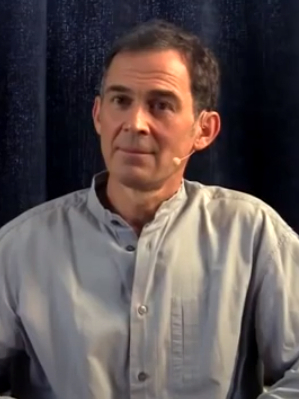
Rupert Spira invites us to explore a profound inquiry with his quote, "Find out who is here when no thought is here." This statement beckons us to look beyond the incessant chatter of our minds and discover the essence of our being that exists in the stillness of thoughtlessness. In a world dominated by mental noise, this exploration is not merely philosophical; it is a vital journey toward understanding our true nature and the essence of consciousness itself.
To delve deeper, we must recognize that this inquiry is not about the absence of thought as a void but rather about uncovering the presence that remains when thoughts dissipate. It is an invitation to engage with the silence that underlies our mental activity, a silence that is rich with potential and awareness. This exploration is essential for anyone seeking to understand the nature of self and existence, as it leads us to the heart of non-dual awareness, where the distinction between observer and observed begins to dissolve.
The image / the metaphor
The imagery in Spira's quote evokes a sense of introspection and stillness. The phrase "who is here" suggests a presence that is constant and unchanging, while "when no thought is here" implies a state of being that transcends the fluctuations of the mind. This duality between presence and thought creates a dynamic interplay, inviting us to witness the essence of our being that exists beyond the transient nature of our thoughts.
Metaphorically, this inquiry can be likened to peeling layers of an onion. Each layer represents a thought, a belief, or an identity that we cling to, obscuring the core of our true self. As we peel away these layers through contemplation and inquiry, we gradually reveal the essence that is untouched by the chaos of mental activity. This essence, often described in non-dual traditions as pure awareness or consciousness, is what remains when we allow ourselves to rest in the silence of being.
In the speaker's tradition
Rupert Spira's teachings are deeply rooted in the non-dual tradition, which emphasizes the interconnectedness of all existence and the realization of the self as one with the universe. Concepts such as *sunyata* (emptiness) and *fana* (annihilation of the self) resonate with this inquiry, as they point to the dissolution of the ego and the recognition of our true nature. In this context, the act of inquiry becomes a spiritual practice that leads us to the realization of our inherent unity with all that is.
In his work, Spira often references the idea of *kenosis*, or self-emptying, which aligns with the essence of this quote. By emptying ourselves of preconceived notions and mental constructs, we create space for the true self to emerge. This aligns with the teachings found in texts such as the *Upanishads*, which speak of the ultimate reality as the unchanging awareness that underlies all phenomena. Through inquiry, we are invited to experience this reality directly, transcending the limitations of thought and identity.
Living the teaching
Consider a modern scenario where the incessant demands of daily life create a cacophony of thoughts and distractions. In such moments, we often lose touch with our inner selves, becoming reactive rather than responsive. By applying Spira's teaching, we can pause and engage in a moment of inquiry, asking ourselves, "Who am I beyond these thoughts?" This practice can transform our experience, allowing us to respond from a place of awareness rather than being swept away by the currents of our mental chatter.
A reflection
As we contemplate Spira's invitation to "find out who is here when no thought is here," we are encouraged to engage in a personal inquiry that transcends the surface of our daily experiences. What remains when we strip away our identities, roles, and thoughts? In this silence, we may discover a profound sense of peace and clarity. As you reflect on this, consider: What does it feel like to rest in the essence of your being, free from the noise of thought?



Join the BrightStar Community
Stay connected with daily inspiration, event announcements, and community wisdom