EveryEvent Seattle

Parcourir tous les Events

Find every event in Seattle

events

Concerts & Live Music
Festivals
Sports & Recreation
Food & Drink
Arts & Culture
Community
Family & Kids
Nightlife
Comedy
Theater
Destinations populaires
BaliSedonaLos AngelesCosta RicaNew YorkSan FranciscoAustinMiamiJoshua TreeTulum
Voir toutes les catégoriesVoir toutes les destinations

Explorer toutes les fonctionnalités

Des outils puissants pour développer tes événements

Fonctionnalités de la plateforme

Tarification dynamique intelligente
Catégories de billets
Places assignées
Récupération des paniers abandonnés
Récupération des visiteurs
Dons & Prix variables
Système d'affiliation
Scanner de billets
Codes promo
Questions personnalisées
Partage de billets
Ventes additionnelles & Options
Analyses & Rapports
Séquences d'emails
Liste d'attente / Notifier / Rappeler
Explorer
Discovery HubArtists & PerformersVenuesKnowledge Base
Voir toutes les fonctionnalitésÀ propos
TarifsBlog
Language
Saved events
Parcourir tous les événements

events

Concerts & Live MusicFestivalsSports & RecreationFood & DrinkArts & CultureCommunityFamily & KidsNightlife

Destinations populaires

BaliSedonaLos AngelesCosta RicaNew YorkSan Francisco

Explorer

Discovery HubArtists & PerformersVenuesKnowledge Base

Fonctionnalités de la plateforme

Tarification dynamique intelligenteCatégories de billetsPlaces assignéesRécupération des paniers abandonnésRécupération des visiteursDons & Prix variablesSystème d'affiliationScanner de billetsCodes promoQuestions personnaliséesPartage de billetsVentes additionnelles & OptionsAnalyses & RapportsSéquences d'emailsListe d'attente / Notifier / Rappeler
Voir toutes les fonctionnalitésÀ propos
TarifsBlog
ConnexionS'inscrireOrganisateurs d'événements
  • Browse All Events
  • Concerts & Live Music
  • Festivals
  • Sports & Recreation
  • Food & Drink
  • Arts & Culture
  • Community
  • Family & Kids
  • Nightlife
  • Toutes les catégories →
  • Portland
  • Vancouver, BC
  • San Juan Islands
  • Olympic Peninsula
  • Leavenworth
  • All Destinations →
  • For Promoters
  • For Artists
  • For Venues
  • For Festivals
  • For Event Spaces
  • For Nonprofits
  • For Bloggers
  • For Speakers
  • Brand Ambassador
  • Case Studies
  • Réseau de 350K+ acheteurs
  • Récupération des paniers abandonnés
  • Tarification dynamique intelligente
  • Catégories de billets
  • Événements récurrents
  • Places assignées
  • Système d'affiliation
  • Liste d'attente / Notifier
  • Scanner de billets
  • Widget intégrable
  • Diffusion d'événements
  • Messagerie
  • Intégrations
  • Rapports
  • Toutes les fonctionnalités →
  • À propos
  • L'écosystème
  • Blog
  • Glossaire
  • Inspiration
  • Centre d'aide
  • Contact
  • Documentation API
  • Ressources de marque
  • Carrières
  • Presse
  • Conditions d'utilisation
  • Politique de confidentialité

Events

  • Browse All Events
  • Concerts & Live Music
  • Festivals
  • Sports & Recreation
  • Food & Drink
  • Arts & Culture
  • Community
  • Family & Kids
  • Nightlife
  • Toutes les catégories →

Getaways

  • Portland
  • Vancouver, BC
  • San Juan Islands
  • Olympic Peninsula
  • Leavenworth
  • All Destinations →

For Organizers

  • For Promoters
  • For Artists
  • For Venues
  • For Festivals
  • For Event Spaces
  • For Nonprofits
  • For Bloggers
  • For Speakers
  • Brand Ambassador
  • Case Studies

Fonctionnalités

  • Réseau de 350K+ acheteurs
  • Récupération des paniers abandonnés
  • Tarification dynamique intelligente
  • Catégories de billets
  • Événements récurrents
  • Places assignées
  • Système d'affiliation
  • Liste d'attente / Notifier
  • Scanner de billets
  • Widget intégrable
  • Diffusion d'événements
  • Messagerie
  • Intégrations
  • Rapports
  • Toutes les fonctionnalités →

Entreprise

  • À propos
  • L'écosystème
  • Blog
  • Glossaire
  • Inspiration
  • Centre d'aide
  • Contact
  • Documentation API
  • Ressources de marque
  • Carrières
  • Presse
  • Conditions d'utilisation
  • Politique de confidentialité
EveryEvent
© 2026 EveryEvent Seattle. Tous droits réservés.
Inspiration

Lokah Samastah Sukhino Bhavantu: SanskritBlessing for Universal Wellbeing

Donna De Lory
Donna De Lory
Sep 8, 2015
6 min de lecture

"Lokah Samastah Sukhino Bhavantu" is a Sanskrit mantra and blessing that translates to "May all beings everywhere be happy and free, and may my thoughts, words, and actions contribute to that happiness and freedom." Rooted in yoga and vedic traditions, this invocation extends compassion beyond the individual to encompass all sentient beings across the world, functioning as both a spiritual aspiration and a call to conscious action in daily life.

Lecture · 7 sections

What Does "Lokah Samastah Sukhino Bhavantu" Actually Mean?

The Sanskrit phrase "Lokah Samastah Sukhino Bhavantu" (लोकः समस्ताः सुखिनो भवन्तु) is a mantra of universal blessing and compassionate intention. Broken down, the words carry distinct layers of meaning:

  • Lokah refers to the world, the universe, or all beings within existence
  • Samastah means "all" or "complete," emphasizing totality and inclusivity
  • Sukhino translates to "happy," "peaceful," or "at ease"
  • Bhavantu means "may it be" or "may it become," expressing an invocation or prayer

Together, the mantra creates an intention: "May all beings everywhere be happy and free." However, the full practice often includes an additional layer—the recognition that personal thoughts, words, and actions play a role in manifesting this universal wellbeing. Many teachers frame the complete aspiration as: "May all beings everywhere be happy and free, and may my thoughts, words, and actions contribute to that happiness and freedom."

Where Does This Mantra Come From in Spiritual Tradition?

This mantra originates within the yoga and Vedic traditions of ancient India. While specific attribution within the texts remains debated among scholars, the invocation appears in various forms across yoga philosophy and is particularly associated with the lineage of Yoga Sutras and the broader ethos of ahimsa (non-harming) and compassion central to Hindu and yogic worldviews.

The mantra reflects a fundamental principle found throughout Indian philosophy: that individual consciousness is interconnected with all of existence. Rather than approaching spirituality as a solitary inner pursuit, this phrase positions the practitioner as part of an interdependent web of beings. The practice of reciting or meditating on this mantra anchors the intention to extend goodwill and care beyond the boundaries of ego, family, or tribe.

How Is This Mantra Used in Contemporary Yoga and Meditation?

Today, "Lokah Samastah Sukhino Bhavantu" appears in yoga classes, meditation circles, kirtan performances, and personal spiritual practice across the Western world. Many yoga teachers invoke it at the close of asana (physical posture) classes as a way to dedicate the benefits of the practice to all beings. The mantra serves several functions:

  • A closing invocation in yoga and meditation sessions, extending the fruits of practice outward
  • A meditation focal point, allowing practitioners to cultivate compassion and recognize interdependence
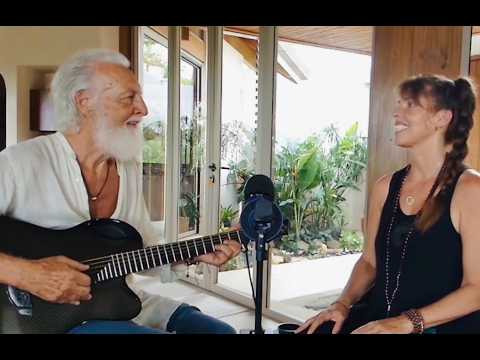
  • A kirtan or chant, often performed with melody and call-and-response, as in Donna De Lory's acoustic interpretation
  • A daily affirmation, repeated silently or aloud to set intention and guide ethical action
  • A communal practice, sung or chanted in groups to create collective intention and energetic attunement

The acoustic musical setting, as in the Dave Dale remix, transforms the mantra from spoken prayer into sung meditation. Melody and rhythm can deepen the mantra's resonance, making the blessing feel embodied and emotionally accessible rather than purely intellectual.

What Is the Relationship Between This Mantra and Universal Compassion?

The core function of "Lokah Samastah Sukhino Bhavantu" is to systematically expand the circle of compassion. Rather than beginning with self-directed kindness (as in some metta or loving-kindness practices), this mantra immediately addresses all sentient beings. The phrase acknowledges that suffering and joy are not private affairs confined to oneself but are woven through the collective fabric of existence.

When a practitioner chants or meditates on this mantra, they are making a conscious choice to align their inner state and outer actions with the welfare of others. This doesn't require belief in a particular deity or supernatural mechanism—rather, it functions as a psychological and ethical anchor. By regularly invoking the desire for others' happiness and freedom, practitioners reprogram their default mental patterns toward empathy and away from self-centeredness.

The phrase also implies a recognition that one's own happiness cannot be fully realized if others are suffering. The mantra suggests that genuine freedom and peace emerge only when extended to all, creating a web of interdependence that calls each person to ethical action and conscious participation in the world.

How Does Chanting or Singing This Mantra Deepen Practice?

Chanting mantras, particularly in acoustic or musical contexts, engages multiple dimensions of the nervous system. When sung or chanted with intention:

  • Breath and vocalization slow and regulate the nervous system, shifting practitioners into parasympathetic activation
  • Repetition allows the mantra's meaning to move from intellectual understanding into felt embodiment
  • Melody and rhythm create a container that holds attention and emotion, making the practice more emotionally resonant
  • Group participation amplifies the collective intention and creates a sense of belonging and shared purpose
  • Vibration is believed in traditional teachings to create subtle shifts in consciousness and energy

An acoustic arrangement, as featured in Donna De Lory's interpretation, strips away production elements to emphasize the purity of voice and intention. This creates intimacy and allows the listener to focus on the mantra's meaning rather than external flourishes.

Can This Practice Be Secular or Non-Religious?

Yes. While the mantra originates in Hindu and yogic spiritual traditions, its practice does not require adherence to any belief system or religious framework. The mantra functions effectively as a secular compassion practice, a psychological reframing tool, or an ethical affirmation independent of any transcendent worldview.

Practitioners who approach the mantra from secular or non-theistic angles might understand it as:

  • A way to counteract tribalism and expand empathic capacity
  • A reminder that personal wellbeing is inseparable from collective wellbeing
  • A daily practice that aligns behavior with stated values of compassion and interconnection
  • A tool for reducing anxiety by shifting focus from personal worry to contribution toward others' welfare

The beauty of the mantra lies in its flexibility—it can be approached devotionally, psychologically, ethically, or as a pure sound meditation without contradiction.

Where to Go from Here

If "Lokah Samastah Sukhino Bhavantu" resonates with you, consider exploring it through direct practice. Try chanting or singing the mantra for 5–10 minutes daily, either aloud or silently, and notice shifts in your mental state and how you relate to others. Listen to various musical interpretations, including the acoustic version featured here, to find a version that feels authentic to your practice. Research the broader yoga and Vedic traditions from which this mantra emerges, as they offer additional frameworks for understanding interconnection and ethical action. Most importantly, explore how the intention behind the mantra might translate into concrete actions—how your thoughts, words, and choices can genuinely contribute to the wellbeing of those around you and beyond.
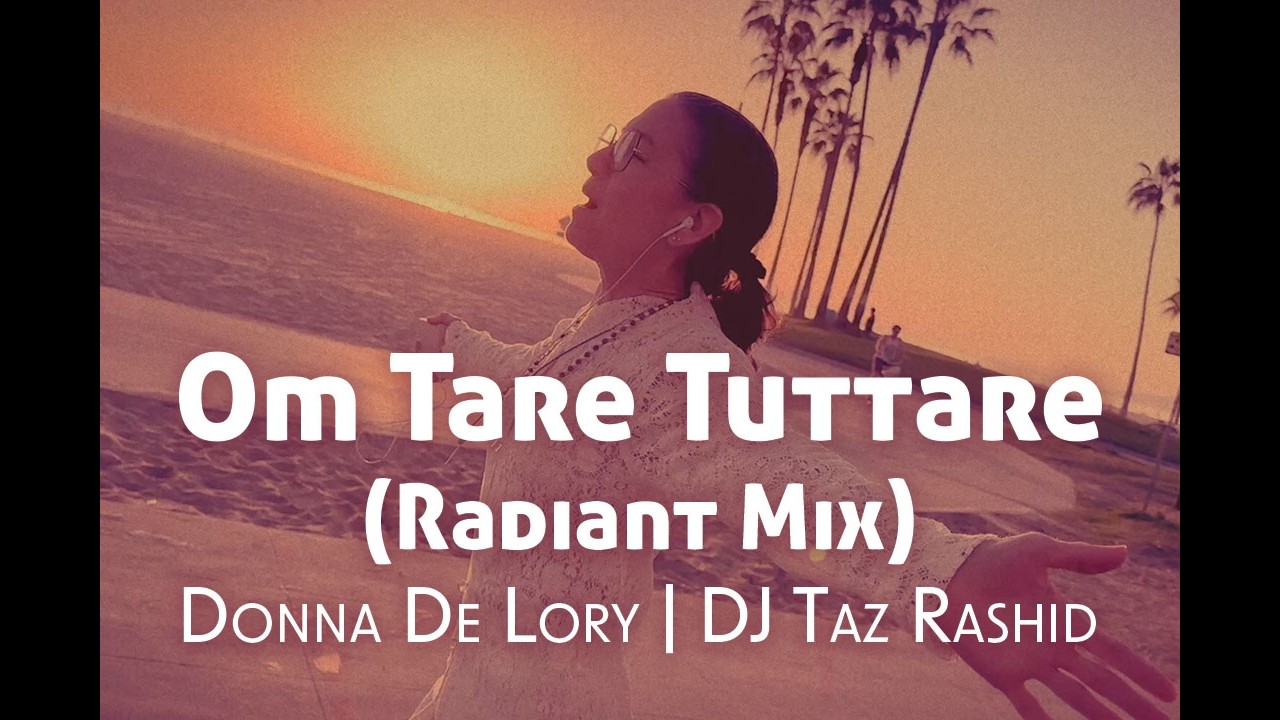
Donna De Lory
AuteurDonna De Lory

A multi-talented vocalist and producer who rose to prominence as Madonna's longtime backup singer, now creating spiritually-infused world music that blends pop sensibility with dev…

Voir le profilSite web
Explorer les thèmes
Mantra-chantingSanskrit-blessingUniversal-compassionLokah-samastahYoga-practice

Des questions ?

Questions fréquemment posées

The mantra translates to "May all beings everywhere be happy and free, and may my thoughts, words, and actions contribute to that happiness and freedom." It is a Sanskrit blessing invoking universal wellbeing and compassion for all sentient beings.
Teachers use this closing invocation to dedicate the benefits of the practice to all beings, extending the fruits of students' yoga and meditation beyond individual gain to support collective wellbeing and compassion.
Yes, the mantra originates in Hindu and Vedic traditions central to yoga philosophy. It reflects principles of ahimsa (non-harming) and the interconnectedness of all consciousness, though it can be practiced secularly without religious belief.
There is no fixed requirement; daily practice of 5–10 minutes can deepen the intention and help reprogram default mental patterns toward empathy. Consistency matters more than duration.
Absolutely. The mantra functions as a secular compassion practice, an ethical affirmation, or a psychological tool for expanding empathy and recognizing interdependence, independent of religious framework.
Chanting typically uses rhythmic vocalization without melody, while singing adds melodic elements. Both engage the nervous system and deepen embodiment of the mantra's meaning, with melody creating additional emotional resonance.
While loving-kindness meditation often begins with self-directed kindness and expands outward, this mantra immediately addresses all beings universally. Both cultivate compassion but through slightly different entry points and progressions.

Continuer la lecture

More from Donna

Voir tout
Om Tare Tuttare Mantra: DJ Taz Rashid's Radiant Remix
Inspire

Om Tare Tuttare Mantra: DJ Taz Rashid's Radiant Remix

DJ Taz Rashid remixes the sacred "Om Tare Tuttare" mantra into a contemporary groove that centers spiritual practice within everyday urban l…

1 min read
Om Namah Shivaya & Thy Will Be Done: Sacred Mantra Meditation
Inspire

Om Namah Shivaya & Thy Will Be Done: Sacred Mantra Meditation

A meditation mix blending the Sanskrit mantra Om Namah Shivaya with the Christian invocation Thy Will Be Done, featuring kirtan artist Donna…

1 min read
Monthly Satsang Meditation: Mantras, Sound Healing & Presence
Inspire

Monthly Satsang Meditation: Mantras, Sound Healing & Presence

A guided meditation satsang exploring the healing power of mantras, sacred sound resonance, and collective spiritual gathering across contin…

1 min read
Thursday Night Kirtan Satsang: Devotion and Heart Practice
Inspire

Thursday Night Kirtan Satsang: Devotion and Heart Practice

A recorded Thursday night satsang session from NYC featuring kirtan, chanting, and heart-centered spiritual practice led by Krishna Das.…

1 min read

Continue d’explorer

Poursuis ton chemin

Plus de sagesse et de rassemblements dans tout l’annuaire BrightStar.

Plus d’articles

Parcours toute la bibliothèque d’enseignements, d’entretiens et de guides.

Retour à tous les articles →

Enseignants et artistes

Découvre les lignées, les musiciens et les guides du monde conscient.

Explorer les artistes →

Trouver un événement

Kirtan, retraites, bains sonores, breathwork, festivals — bientôt près de chez toi.

Parcourir les événements →