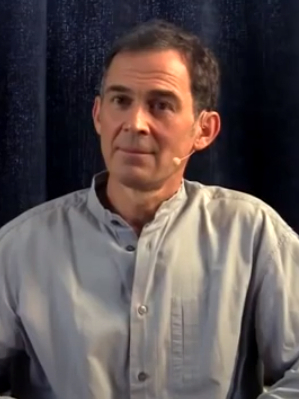
Unraveling the Illusion of Self
Rupert Spira's assertion that "the mind creates a narrative self that we then mistake for who we really are" invites us to explore the intricate relationship between our thoughts and our true essence. This statement highlights a profound truth about human experience: the stories we tell ourselves often overshadow our authentic being. Understanding this dynamic is crucial for anyone seeking deeper self-awareness and spiritual awakening, as it challenges the very foundation of our identity and invites us to question the nature of consciousness itself.
At the heart of this inquiry lies the recognition that the self we construct through our thoughts and experiences is not the entirety of who we are. Instead, it is a narrative—a collection of memories, beliefs, and perceptions that we cling to as our identity. This misidentification can lead to suffering, as we become entangled in the limitations of our constructed self. By examining this narrative, we can begin to peel away the layers of illusion and reconnect with the deeper, unconditioned aspect of our being, which is often obscured by the noise of our mental chatter.
The image / the metaphor
The imagery in Spira's quote evokes a sense of entrapment within the confines of our own minds. The term "narrative self" suggests a storybook character, crafted from the pages of our experiences, emotions, and thoughts. This character, while rich in detail, is ultimately a fabrication—a composite of our fears, desires, and societal expectations. The verbs "creates" and "mistake" further emphasize the active role our minds play in this process, as if we are both the authors and the unwitting readers of our own life stories.
In the speaker's tradition
Rupert Spira's insights are deeply rooted in the non-dual tradition, which emphasizes the unity of consciousness beyond the fragmented self. Concepts such as *sunyata* (emptiness) and *fana* (annihilation of the self) resonate with his teachings, as they point to the idea that our perceived separateness is an illusion. In this context, the narrative self is seen as a temporary construct that obscures the underlying reality of interconnectedness and wholeness. By recognizing the illusory nature of the ego, we can begin to experience a more profound sense of peace and clarity.
In the realm of non-dual philosophy, texts such as the *Upanishads* and the teachings of Advaita Vedanta echo Spira's sentiments. For instance, the *Upanishads* speak of the *Atman* (the true self) as being one with *Brahman* (the ultimate reality), suggesting that our individual narratives are but ripples on the surface of a vast ocean of consciousness. This perspective invites us to transcend our limited identities and embrace the boundless nature of our true being, encouraging a shift from identification with the mind to a deeper awareness of the essence that lies beyond it.
Living the teaching
Consider a modern scenario where this teaching can be applied: a person finds themselves caught in a cycle of negative self-talk, constantly berating themselves for perceived failures. In this moment, the narrative self is at play, weaving a story of inadequacy that clouds their perception of reality. By recognizing this narrative as a construct of the mind, the individual can begin to detach from these thoughts and cultivate a more compassionate view of themselves, allowing space for growth and acceptance.
In relationships, the implications of Spira's teaching become even more pronounced. Imagine a conflict arising between two partners, each clinging to their own narratives of right and wrong. By acknowledging that these stories are not the entirety of their beings, they can approach the situation with greater empathy and understanding. This shift allows them to move beyond the confines of their egos, fostering deeper connection and communication. In daily practice, such as meditation or mindful awareness, individuals can cultivate the ability to observe their thoughts without attachment, gradually dissolving the boundaries of the narrative self and embracing a more expansive sense of being.
A reflection
As we contemplate Spira's profound insight, we are invited to ask ourselves: What stories do I tell myself that limit my understanding of who I truly am? This question encourages a deep exploration of our inner narratives, prompting us to discern which aspects of our identity are authentic and which are mere constructs of the mind. By engaging with this inquiry, we can begin to unravel the layers of our conditioned selves and move toward a more genuine experience of existence, one that is rooted in the awareness of our interconnectedness and the vastness of consciousness.



Join the BrightStar Community
Stay connected with daily inspiration, event announcements, and community wisdom