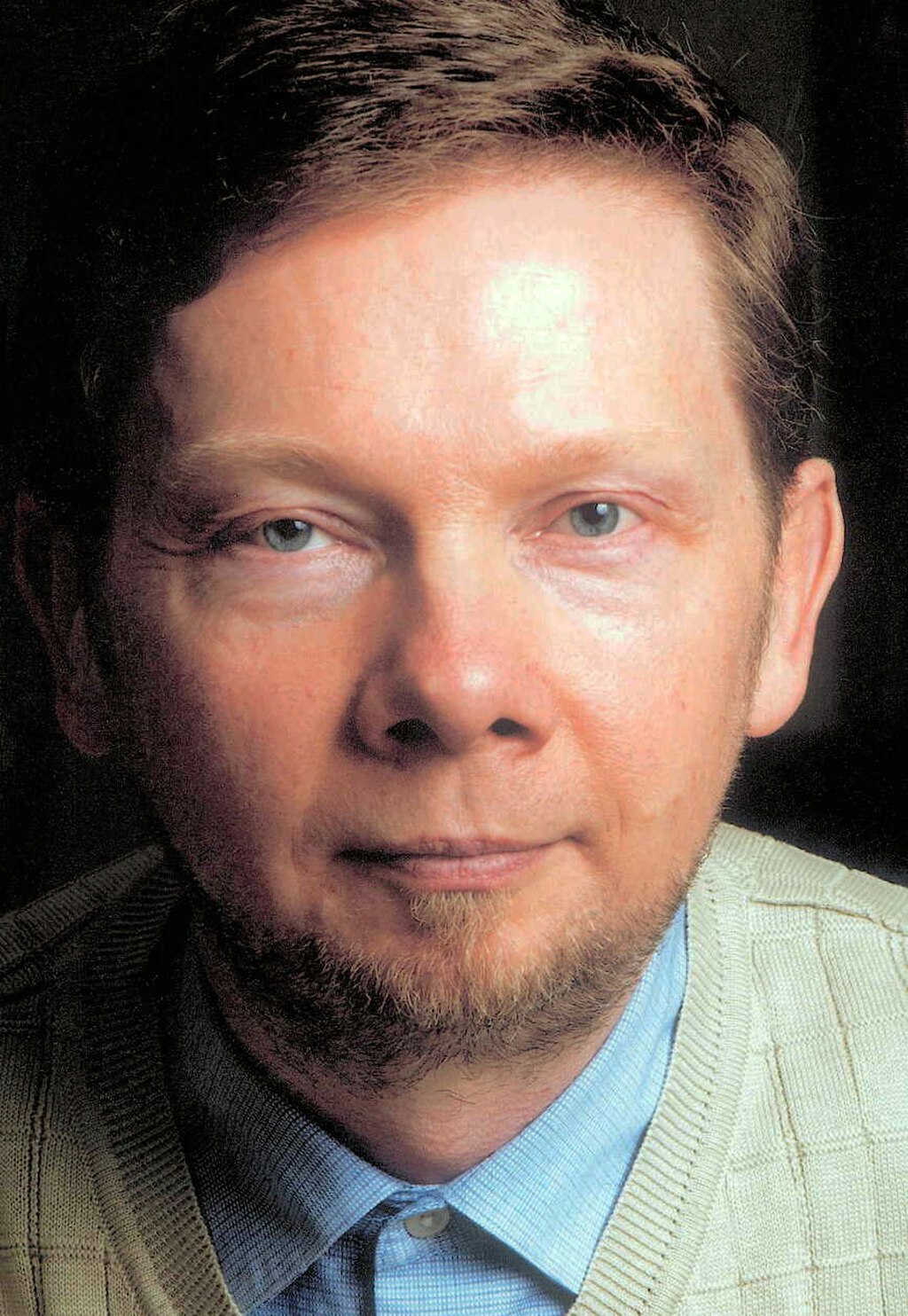
The Unseen Peril: Awakening to Our Choices
Eckhart Tolle's assertion that "the greatest threat to our world is not what we have done, but what we will continue to do" invites us to reflect on the profound implications of our ongoing actions and choices. This statement serves as a clarion call to awaken to the present moment, urging us to recognize that our future is shaped not merely by past deeds but by the conscious decisions we make today. The stakes are high; our collective consciousness and the trajectory of our world depend on our ability to engage with the present in a mindful and intentional manner.
In a world rife with challenges—environmental degradation, social injustice, and personal disconnection—Tolle's words resonate with urgency. They compel us to examine the patterns of behavior that perpetuate suffering and fragmentation. As we navigate the complexities of modern life, it becomes increasingly vital to cultivate awareness and responsibility, understanding that our actions, both small and large, contribute to the collective reality we inhabit. This quote serves as a reminder that the future is not predetermined; it is a canvas upon which we can paint a more harmonious existence.
The image / the metaphor
The imagery in Tolle's quote evokes a sense of impending consequence, highlighting the dynamic interplay between past actions and future possibilities. The phrase "what we will continue to do" suggests an ongoing process, a river of choices flowing into the ocean of our shared existence. The verbs chosen—"threat" and "continue"—imply a sense of urgency and inevitability, urging us to confront the reality that our actions have repercussions that extend far beyond our immediate surroundings.
Diving deeper into the metaphor, we can envision our choices as seeds planted in the fertile soil of the present moment. Each decision we make, whether rooted in fear, ignorance, or love, has the potential to grow into a reality that shapes our lives and the lives of others. Tolle's insight encourages us to become conscious gardeners of our existence, tending to the seeds of awareness and compassion rather than allowing the weeds of unconsciousness and apathy to flourish. In this way, we are called to recognize the power we hold in shaping not only our individual destinies but also the collective fate of humanity.
In the speaker's tradition
Eckhart Tolle's teachings are deeply rooted in the non-dual tradition, which emphasizes the interconnectedness of all beings and the importance of awakening to the present moment. Concepts such as dharma, or the inherent duty to act in alignment with truth, and sunyata, the emptiness that allows for the fullness of existence, resonate with the essence of Tolle's message. In this context, the threat he speaks of can be seen as a manifestation of ignorance—an inability to recognize the profound impact of our choices on the tapestry of life.
In Tolle's seminal work, "The Power of Now," he invites readers to transcend the limitations of the ego and to awaken to the present moment as the gateway to true freedom. This aligns with the teachings of various spiritual traditions that emphasize the importance of mindfulness and conscious living. For instance, the Buddhist concept of prajna, or wisdom, encourages us to see clearly the consequences of our actions, urging us to cultivate a deep understanding of the interconnectedness of all life. By awakening to this reality, we can begin to shift the trajectory of our actions toward a more compassionate and harmonious existence.
Living the teaching
Consider a modern scenario where Tolle's teaching can be applied: the environmental crisis. Many individuals grapple with feelings of helplessness in the face of climate change, often attributing the problem to past actions of corporations and governments. However, Tolle's insight reminds us that the greatest threat lies not solely in what has been done but in our ongoing choices—how we consume, how we advocate for change, and how we engage with our communities. Each small action, from reducing waste to supporting sustainable practices, becomes a vital thread in the fabric of our collective future.
In the realm of personal relationships, Tolle's message can also find profound application. Imagine a situation where unresolved conflicts linger between friends or family members. The tendency to hold onto grievances can perpetuate cycles of pain and misunderstanding. By recognizing that the greatest threat is not the past hurt but the choice to continue harboring resentment, individuals can choose to engage in open dialogue and forgiveness. This conscious decision to heal and reconnect transforms not only the relationship but also the individuals involved, fostering a deeper sense of unity and understanding.
A reflection
As we contemplate Tolle's poignant words, we are invited to reflect on our own lives and the choices we make each day. What patterns of behavior or thought might we be perpetuating that contribute to suffering, either within ourselves or in the world around us? In this moment of reflection, consider the question: How can I cultivate greater awareness in my daily actions to ensure that I am contributing positively to the collective future we share?




Join the BrightStar Community
Stay connected with daily inspiration, event announcements, and community wisdom