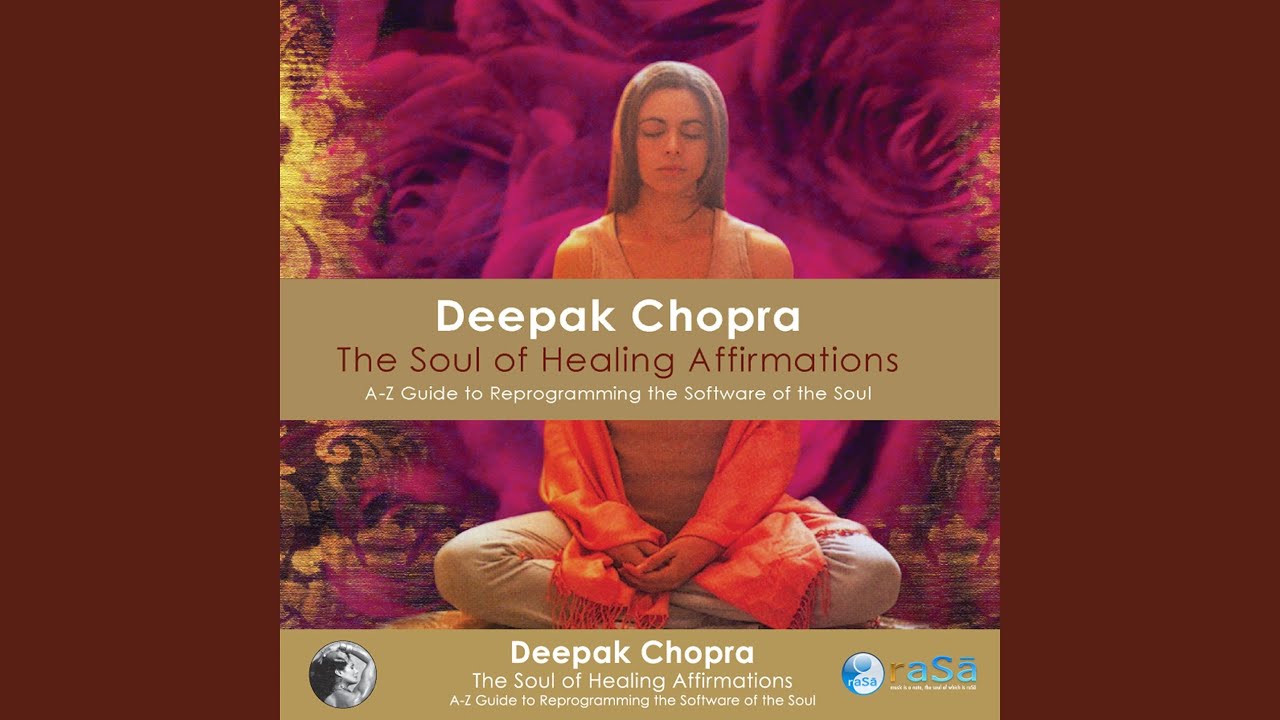
This guided meditation from Deepak Chopra invites practitioners to invoke archetypal healing forces—the "gods of healing"—as a means of accessing deeper dimensions of consciousness that facilitate physical, emotional, and spiritual restoration. Rather than treating healing as purely external, the practice frames healing deities and forces as internalized potentials within human consciousness that can be awakened through focused intention, breath work, and meditative awareness.
What Does It Mean to Invoke the Gods of Healing?
In Chopra's framework, "invoking the gods of healing" does not require literal belief in external deities. Instead, it uses archetypal language—universal symbols and personified qualities—to access specific healing frequencies within consciousness. The gods represent concentrated, personified forms of healing intention and wisdom. By calling upon these archetypal forces, the practitioner engages with dimensions of mind and spirit that operate beyond the reach of rational thought alone.
This approach draws from ancient meditative and spiritual traditions that recognize healing as multidimensional. The practice acknowledges that consciousness itself contains organizing principles—what might be called divine attributes—that facilitate restoration. By naming and invoking these principles (whether as gods, guides, or archetypal energies), practitioners align their own awareness with these healing frequencies.
How Does Archetypal Healing Work in Practice?
Chopra's meditation guides the listener through progressive stages of awareness. The practice typically begins with settling the mind and body, creating a foundation of stillness and receptivity. From this grounded state, the meditator is invited to mentally or imaginatively contact healing presences—deities or archetypal forces associated with specific kinds of restoration: physical vitality, emotional balance, mental clarity, or spiritual awakening.
The mechanism of archetypal invocation rests on the principle that consciousness shapes physiology. When attention is directed toward a specific healing quality—the compassion of a healing deity, the vitality of a sun god, the wisdom of an ancient healer—the nervous system responds. The body begins to produce neurochemicals and activate physiological pathways aligned with that intention. Naming or visualizing these forces acts as a focusing tool, concentrating the mind's inherent power to influence bodily states.
What Role Does the Soul Play in the Healing Process?
The album title—The Soul Of Healing Meditations—points to a core teaching: healing emanates from the soul level rather than the ego or personality. In Chopra's understanding, the soul (or atman, in Sanskrit philosophy) is the unchanging core of consciousness beneath all thought, emotion, and sensation. It is eternally whole, untouched by injury or disease.
When practitioners invoke healing gods, they are not asking for something external to fix them. Rather, they are turning attention toward the soul—the dimension of self that already embodies perfect health, wholeness, and restoration. The gods serve as doorways or reminders pointing back to this inner wholeness. The healing invoked is less about receiving something new and more about aligning with what already exists at the deepest level of being.
How Does This Practice Bridge Ancient Wisdom and Modern Consciousness?
Chopra's approach synthesizes Ayurvedic medicine, Vedantic philosophy, and contemporary neuroscience. In Ayurveda, healing is understood as balancing the doshas (fundamental life forces) and restoring harmony among body, mind, and spirit. The "gods of healing" in this context can refer to deific representations of these balancing principles—each deity embodying specific qualities that, when invoked, help restore equilibrium.
From a contemporary perspective, invoking these forces activates the parasympathetic nervous system, reduces stress hormones, and shifts brain wave patterns toward states associated with healing and integration. The practice works whether one understands the mechanism as spiritual activation or neurobiological regulation—or, as Chopra would argue, both are descriptions of the same phenomenon viewed from different angles.
What Are the Practical Benefits of This Meditation?
Practitioners who engage with healing invocation meditations often report:
- Physical restoration: Reduced pain, improved sleep, accelerated recovery from illness, and enhanced immune function.
- Emotional release: Greater capacity to process and release suppressed emotions, reduced anxiety, and improved mood regulation.
- Mental clarity: Quieter mind, improved focus, and clearer intuitive perception.
- Spiritual alignment: Deeper connection to purpose, sense of wholeness, and expanded awareness of interconnection.
These benefits arise not because an external force intercedes, but because the practice itself removes obstacles to the body's inherent healing intelligence. By quieting mental noise and aligning intention with archetypal healing qualities, the practitioner creates conditions under which natural restoration can occur.
Why Use Divine Language in a Secular Age?
Some practitioners hesitate to use terminology like "gods" or "divine" in contemporary meditation. Chopra's perspective is that archetypal and mythic language taps into dimensions of mind that literal, rational language cannot reach. The poetic and symbolic invoke different neural pathways than intellectual understanding alone.
Using divine language also acknowledges that consciousness contains intelligence far greater than the individual ego. Whether one calls this intelligence God, the universe, nature, or consciousness itself, the practice of invoking it—of consciously aligning with something larger than personality—produces tangible shifts in awareness and physiology. The language is a vehicle; the direct experience of connection to healing is the destination.
Where to Go From Here
To deepen this practice, practitioners might begin by experimenting with guided meditations that invoke archetypal healing forces, noticing what shifts in body, emotion, and awareness. Over time, the invocations become more natural; the boundaries between self and the healing presences being called upon begin to dissolve. Eventually, the distinction between invoking gods of healing and recognizing oneself as whole and healed collapses into unified experience. The meditation becomes not a technique to achieve healing, but a direct recognition that healing is the true nature of consciousness itself.